How To Safeguard Your Bones as You Age
As a young woman, were you ever told to keep an eye on your bone density? Your heart health, maybe. Your lungs, perhaps. But your bones? Unlikely — and that's something that really needs to change.
Fragile bones were always thought of as an older person's problem. Something to worry about later. But the reality is that osteoporosis and poor bone density are far more common than most of us realise and what you do in your 20s matters enormously. The good news? There are genuine, practical ways to slow bone density loss and stay strong at every stage of life. Here's how.
Build a Bone Density Fund
Think of your bones like a long-term investment, a retirement fund, but one where deposits can only be made until your late 20s. During these years, your bones are in a constant state of renewal: new bone is being made while old bone is broken down. Around the age of 30, you reach peak bone mass, and from that point on, your bones begin losing more than they can regain.
Then, when menopause arrives and your hormonal balance shifts, your body starts making withdrawals from that fund. The bigger your investment in your earlier years, the more reserves you'll have to draw from. If the balance is low, osteoporosis becomes a very real risk.
What is Osteoporosis?
Osteoporosis is a bone disease that develops when bone mineral density and bone mass decrease, or when the quality and structure of bone changes. Low calcium intake contributes to reduced bone density, early bone loss, and an increased risk of fracture. While osteoporosis can't be completely reversed, it absolutely can be slowed and that's where your power lies.
What is Osteopenia?
Osteopenia is low bone density that hasn't yet reached the osteoporosis range. It's more prevalent in women because female bones are typically smaller and less dense than male bones which is exactly why awareness and early action matter so much for us.
How to Safeguard Your Bones — The Big Three
Caring for your bones isn't just about preventing disease. It's about staying strong, vital, and capable of living the life you want, now and well into the future.
Build Your Bones
Calcium is the cornerstone of bone health, but its role goes further than that, it also supports your muscles, heart, and nervous system. When your calcium levels dip and you're not getting enough through your diet, your body pulls it directly from your bones to keep other organs functioning, which impacts their density over time.
Low vitamin K levels are also linked to a higher risk of bone fractures. Research shows that vitamin K helps activate a protein called osteocalcin, which binds calcium to bone, and that a vitamin K2 supplement may improve bone quality for those with osteoporosis.
When it comes to calcium sources, food is always the better option. Research has shown that calcium tablets aren't always well absorbed, whereas a diet rich in calcium-dense foods is far more effective. Think dairy products (milk, yoghurt, cheese), sardines, broccoli, almond butter, soybeans, fortified cereals, fortified juices, enriched breads, and dark leafy greens.
Aim for 1,000mg of calcium per day if you're under 50, and 1,200mg if you're 50 or over. Since your body can only absorb around 250mg at a time, spread your intake across the day rather than consuming it all at once.
Embrace the Sunshine
Your body produces vitamin D when exposed to sunlight, and vitamin D is essential for calcium absorption. That said, UV radiation also carries skin cancer risk, so it's worth being smart about sun exposure rather than avoiding it altogether.
Keep an eye on the daily UV index, when it's below 3, short periods in the sun without sunscreen are generally safe. The free SunSmart app is a helpful guide. Around 10 to 15 minutes of sun exposure is typically sufficient, and never let your skin burn.
If you're not getting adequate vitamin D through sun or diet, a supplement may be worth discussing with your doctor. Foods that support vitamin D intake include oily fish (salmon, mackerel, tuna), egg yolks, fortified milk and milk products, and fortified cereals.

Exercise for Strength
What you do for exercise matters just as much as what you eat when it comes to bone density. Whether you create a home routine with the support of online programmes or join a gym for professional guidance, movement is non-negotiable for strong bones.
The three best bone and strength-building exercise categories are:
Weight-bearing — when you work against gravity, you're building both bone and muscle strength. This includes using free weights or machines, as well as bodyweight exercises like push-ups, jogging, brisk walking, stair climbing, and dancing.
Muscle strengthening — strong muscles protect you against falls. Focus on your lower body as your anchor, with movements like squats and lunges that target your legs and thighs.
Balance building — improving your balance enhances core stability and helps prevent falls. Yoga, Pilates, tai chi, and simple exercises like standing on one leg are all wonderful options. Practice at home with a wall or chair nearby for support.
Bone Review: The DEXA Scan
A bone density test, or DEXA scan, uses X-rays to assess bone health, showing you exactly what's happening with your bones and identifying your risk of future fractures.
Osteoporosis is often called a silent disease because it can go undiagnosed until a fracture occurs, which is why these scans are so valuable for prevention. For women who are generally healthy with no family history of concern, a DEXA scan is recommended at age 65.
The scan requires a referral from your doctor and takes around 15 minutes. Afterwards, discuss potential lifestyle adjustments with your doctor, they can significantly reduce your risk. Supplements and medications are also available to help prevent further bone density loss where needed.
Safeguarding Your Bones Through the Decades
The sooner you start building and protecting your bone density, the stronger you'll be — and for longer. Here's what to focus on at each life stage.
Your 20s and 30s: Build Your Foundation
Your twenties are the last real opportunity to build bone strength and reduce your future risk of osteoporosis. Even if you're feeling fit and well right now, don't take your bone strength for granted.
Max Your Calcium
The good news is that eating for bone health doesn't have to feel like a chore. If you already enjoy smoothies, fruit, cheese, seafood, and dark leafy greens, you're well on your way. The key is consistency, these foods need to be part of your daily diet, not just an occasional addition.
Exercising for Stronger Bones
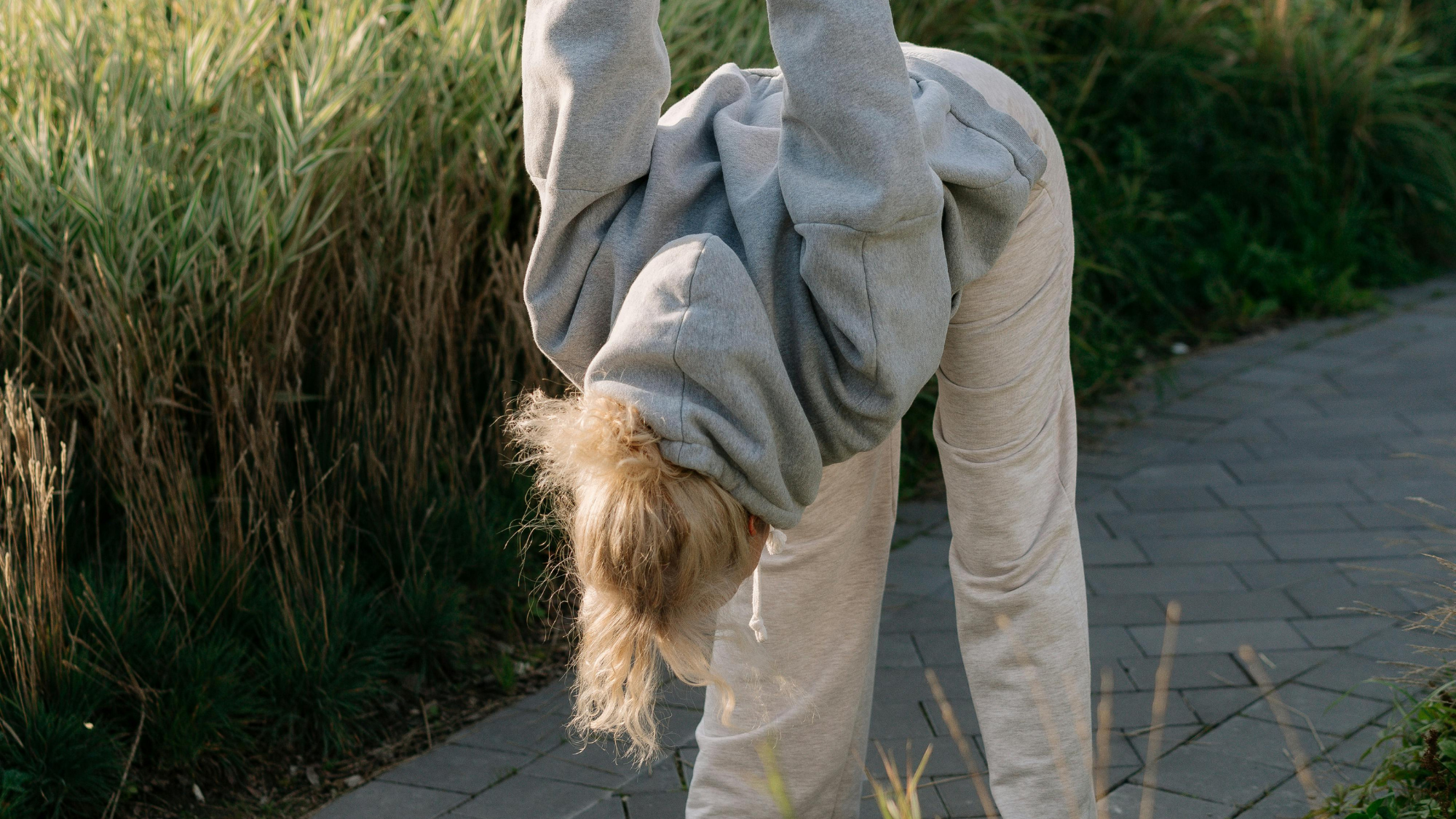
Like muscle, bone is living tissue that responds to exercise by becoming stronger. The habits you build now will serve your bones well into the future.
Weight-bearing exercises, jogging, hiking, skipping, basketball, swimming, netball, tennis, dancing, stair climbing, Pilates, yoga, and walking, all force your body to work against gravity, which is exactly what bones need. Resistance training using hand weights or gym equipment allows you to progressively build intensity and muscle strength over time.
In Your 40s and 50s: Fortify and Monitor
Keep up your calcium-rich diet, your vitamin D intake, and your regular exercise — these remain just as important in this decade. If you have a known family history of osteoporosis, or other risk factors such as rheumatoid arthritis, low body weight, heavy alcohol use, smoking, or long-term use of corticosteroid medications, speak with your doctor about getting a bone density scan sooner rather than later.
Hormone and Medication Checks
This is a good time to have your hormones reviewed. Low oestrogen in women (and low testosterone in men) can increase the risk of osteoporosis. Talk to your doctor openly about this, and ask whether any of your current medications could be contributing to bone loss.
Review Supplement Intake
Women are at higher risk of bone thinning and many take daily calcium supplements as a result. It's worth consulting your doctor or naturopath to ensure what you're taking is actually effective, supplement quality can vary significantly.
Stay Active
Exercise that builds bone density and muscle strength helps prevent falls, and it is truly never too late to begin. Gyms are welcoming increasing numbers of mature women into both individual and group classes, and no prior experience is required. Start with what feels comfortable and build gradually, your body will respond.
Your 60s+: Maintain and Strengthen
Osteoporosis becomes more common with age, particularly in post-menopausal women. But there is still so much you can do to protect your bones and stay strong.
Explore Getting Medical Support
Start by getting a referral for a bone density scan, then return to discuss your results with your doctor. If lifestyle changes alone aren't sufficient to prevent bone fractures, your doctor may recommend supplements or medication depending on your risk profile. Osteoporosis medicines work by slowing the bone breakdown process, reinforcing what's already there. Be sure to discuss any health conditions or long-term medications with your doctor, as some (such as prednisone or certain antacids) can weaken bones over time.
Build Core Strength
Exercises that strengthen your muscles, particularly your core, improve stability and help prevent falls. Make them part of your daily routine. Pilates and balance training classes cater to all ages and ability levels, and the benefits compound beautifully over time. Check out your local gym or community groups for classes that feel right for you.
Ways to Help Avoid a Fall
The risk of falling increases with age, and fear of falling can cause many women to withdraw from activities they love. Alongside balance training, here are a few practical steps to reduce your risk:
Get an eye and hearing test — good sight and clear hearing reduce the chance of being caught off guard.
Check your medications — some medicines can cause drowsiness or dizziness, affecting your stability.
Stand up slowly — rising too quickly can send blood pressure up and leave you feeling unsteady.
Mount grab bars — having something to hold onto makes your bathroom much safer.
Clear the floor — remove rugs, cables, and anything you could trip over.
Wear non-slip soles — floors and paths can be surprisingly slippery, so be prepared.
Final Note
The more you understand about how to maintain and build your bone density naturally, the better equipped you'll be to protect yourself for the long term. And once you're in the know, share what you've learned — with the younger women in your life, and the older ones too. We're all in this together. 🌸
Love you. Love life.