Friendships and Women Over 45
As we move through life, friendships become something far richer than just fun and shared adventures. They become a source of emotional sustenance, mental strength, and a deep sense of belonging, and for women, this is especially true.
Friendships are precious at every stage of life, but the older I get, the more I treasure the handful of truly special women in mine. What makes them special? They show up as exactly who they are; honest, open, and real. When we're together, there's no energy wasted on judgement or gossip. It's about sharing the real stuff: the struggles, the triumphs, the laughter that makes your sides ache.
If you're a woman over 45 who feels like genuine friendship has become harder to find — or you've drifted into a kind of quiet disconnection; this is for you. You are not alone, and it is never too late to find your people.
Health and Wellbeing Benefits
Whether you're in your 40s, 50s, 60s, or beyond, feeling connected matters — deeply — for your emotional, mental, and physical health. Connection is a fundamental human need, and when it comes to friendship, the benefits go well beyond companionship. They can be genuinely life-changing.
Research shows that people with strong social connections are less likely to experience chronic illness, cognitive decline, or mental health challenges like depression and anxiety. For women in particular, close friendships are one of the most powerful wellness tools available to us.
Mental Health
Friendship has a profound impact on mental wellbeing. Women who maintain close relationships are less likely to experience loneliness and depression, and even warm, casual interactions can foster a sense of belonging and lift your overall happiness. Sometimes just knowing someone is there makes all the difference.
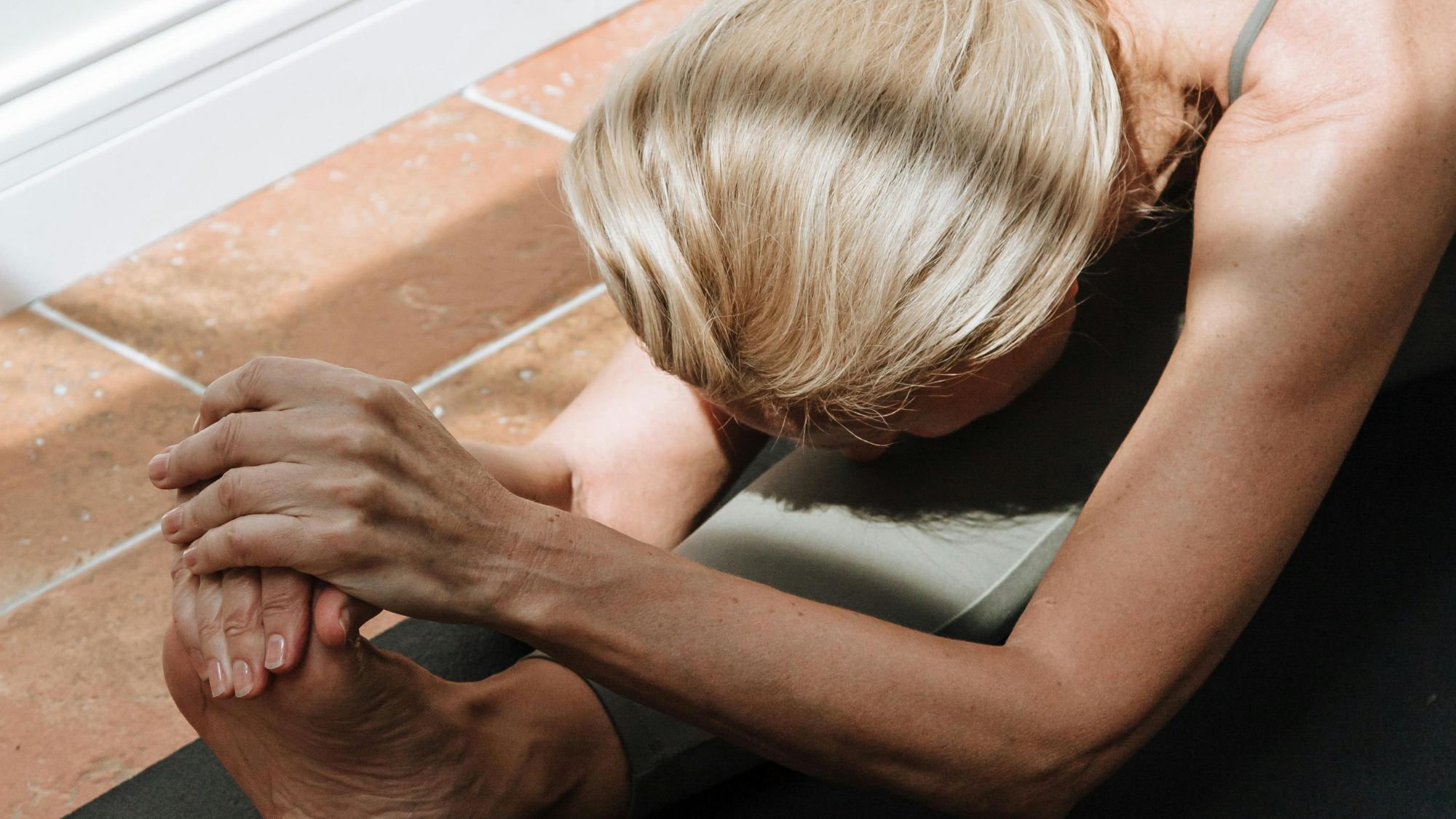
Physical Health
Strong friendships can quite literally extend your life. Social connection has been linked to lower blood pressure, reduced risk of cardiovascular disease, and increased longevity. Friends encourage healthy habits; staying active, eating well, showing up for themselves and each other. They provide emotional support through the hard seasons, which reduces stress and strengthens immunity. And when it comes to navigating something like menopause? Having friends who truly get it is an extraordinary comfort.
Emotional Health
Sharing both your joys and your struggles with people who genuinely care is one of the most powerful ways to build emotional resilience. Women flourish in nurturing relationships built on trust, empathy, and understanding. A good friendship gives you a safe space to process whatever you're carrying, and we all need that from time to time.

How to Make New Friends After 45
Making new friends can feel daunting, especially as we get older. But do it anyway. If you're not feeling comfortable enough in your own skin to put yourself out there, sit with that and ask yourself why. It may simply be time to reconnect with your own self-worth — because you have so much to offer.
Think about what you genuinely want and need from a friendship, and how you'd like to show up. If shyness holds you back, fake the confidence until it becomes real. The right women will meet you with warmth and support. Those who don't? They were never your people.
Here are a few ways to meet new people and build lasting connections:
Join a club or community — a book club, a yoga class, a volunteer group. Being around people with shared interests is one of the most natural ways to form genuine connection.
Attend social events — community gatherings, workshops, or work-related events can open unexpected doors. Go with an open mind and see what unfolds.
Reconnect with old friends — sometimes a simple message to someone you haven't spoken to in years is all it takes to reignite something meaningful. It's always worth trying.
Online platforms — many women find their closest connections through online communities aligned with their interests or life stage. The Women in Bloom Blossom Club is a beautiful place to begin.

Maintaining Healthy Boundaries
Like all meaningful relationships, friendships require healthy boundaries to truly thrive. Clear, respectful boundaries ensure your friendships remain mutually supportive rather than one-sided or draining.
You don't necessarily need to define every boundary upfront but when one is crossed, speaking up matters. Addressing it early can protect a friendship from becoming something that depletes rather than nourishes you.
How to Maintain Healthy Boundaries in Friendships
Communicate openly — be clear about your needs and honest about your feelings. Healthy friendships grow stronger through open communication, not around it.
Know your limits — it's completely okay to say no. Whether that means declining an invitation or protecting your emotional energy, understanding your own limits prevents burnout and resentment. You are your most important relationship.
Respect each other's space — closeness doesn't mean constant togetherness. Honouring each other's independence and personal time is a sign of a healthy, mature friendship.
Recognising Unhealthy Friendships
Not every friendship is built to last and sometimes, what once felt nourishing can become draining or even toxic. Knowing when a relationship is no longer healthy is an act of self-respect.
Signs to watch for include:
Constant negativity — if a friendship is consistently filled with criticism, complaints, or emotional manipulation, it is doing more harm than good. You deserve better, and it's okay to move on.
One-sided effort — a friendship should feel balanced. If you're always the one giving, reaching out, and showing up without receiving the same in return, it's worth reassessing.
Feeling drained — good friendships leave you feeling uplifted and energised. If you consistently feel emotionally exhausted after time with someone, that's important information.
What to Look for in a Good Friendship
A truly good friendship offers emotional support, genuine joy, and a sense of shared trust. Here's what to look for:
Mutual respect and trust — a strong friendship is one where you feel completely safe to be yourself, without fear of judgement. This depth takes time to build, but trust your instincts along the way.
Supportive and non-competitive — real friends celebrate your wins and hold space for your struggles, without jealousy or rivalry. True friendship has nothing to do with appearances, status, or success.