How to Build Self-Esteem and Self-Confidence as a Woman
Boost your confidence and feel more at home within yourself with this practical guide.
If you have ever felt like you are not enough, questioned your value, or looked outside yourself for the reassurance you struggle to give yourself, you are not alone. Many women quietly carry the weight of low self-esteem for years. It can affect the way you speak to yourself, the kind of relationships you accept, the opportunities you go after, and the way you move through everyday life. You may appear capable on the outside while privately battling self-doubt, self-comparison, overthinking, or the fear that no matter what you do, it will never be enough.
Learning how to build self-esteem and self-confidence as a woman is not about becoming perfect, fearless, or endlessly positive. It’s about changing old patterns and reconnecting with who you really are. It’s understanding what has shaped the way you see yourself, and learning to treat yourself with more kindness, honesty, and respect.
Below you’ll discover what self-esteem really means, why so many women struggle with it, and how to start rebuilding it in a way that feels grounded, compassionate, and real.

What self-esteem really means and why it matters
Self-esteem is the overall opinion you have of yourself. It affects how worthy, capable, and lovable you believe you are. Healthy self-esteem does not mean thinking you’re better than other people. It means having a balanced view of yourself, that is, being able to recognise your strengths, accept your (perceived) imperfections, and still know that you matter. When your self-esteem is stronger, it becomes easier to set boundaries, cope with setbacks, ask for support, and make choices that reflect your values. That said, if you’re experiencing emotional distress seek professional help.
Signs of low self-esteem in women
Low self-esteem isn’t always obvious. Sometimes it lives below the surface as self-doubt, overthinking, harsh self-talk, comparison and perfectionism. It can also show up as people-pleasing, tolerating poor treatment at work or in relationships, hiding your gifts, or making yourself smaller so others feel more comfortable. Over time, these patterns can leave you feeling disconnected, exhausted, and unsure of who you are. Low self-esteem can make it harder for you to believe positive things about yourself, accept compliments, and face challenges.
Why so many women struggle with self-esteem
There are many reasons self-esteem can become fragile. Criticism during childhood, neglect, bullying, trauma, relationship pain, major life events, and unrealistic social expectations can all leave their mark. Many women were taught from an early age to be agreeable, helpful, self-sacrificing, and accommodating, often at the expense of their own needs, boundaries, and identity. When you have spent years seeking approval or trying to be everything for everyone, it becomes easy to lose touch with who you really are. Ongoing self-criticism, fear of judgement, and difficulty with relationships are common effects of low self-esteem.
How to build self-esteem and self-confidence
Rebuilding self-esteem begins with reconnecting to yourself. If you are wondering how to build self-esteem and confidence, it starts by becoming more aware of your thoughts, your needs, your feelings, and the patterns that have shaped your life. Instead of asking, “What is wrong with me?” try asking, “What happened to me?”, “What do I need right now?”, and “What would it look like to treat myself with respect?” These questions can open the door to healing. Journalling, quiet time and mindful self-check-ins can help you come back to the parts of yourself that may have been ignored, silenced, or forgotten for years, even decades.

Spending time reconnecting with who you really are also builds self-confidence in a powerful and lasting way. When you slow down enough to notice what matters to you, what feels true for you, and what kind of life you genuinely want, you become less dependent on outside approval. You begin to trust your own voice, your own values, and your own decisions. That trust becomes confidence — not the loud kind that performs for the world, but the quiet, steady kind that grows when you know yourself deeply and feel grounded in who you are. This is one of the most powerful ways to improve self-esteem.
Another important step is learning to question the inner voice that constantly criticises you. Many women speak to themselves in ways they’d never speak to someone they love or care about. Self-esteem grows when you begin replacing harsh judgement with compassion, truth and encouragement.

Self-esteem is also strengthened when you keep promises to yourself. This might mean resting when you are tired, saying no when something doesn’t feel right, speaking up about what matters, or following through on a goal that is meaningful to you. Every time you honour yourself, you send yourself a powerful message - my needs matter, my voice matters, and I matter. These moments may seem small, but they slowly rebuild the trust you have with yourself, and that trust is one of the foundations of healthy self-esteem.
It’s also important to stop measuring your worth against other people. Comparison can gradually erode self-esteem by keeping you focused on what you think you lack instead of recognising your own strengths and gifts. You don’t need to become or be like someone else to feel good about yourself. You need to return home to who you are.
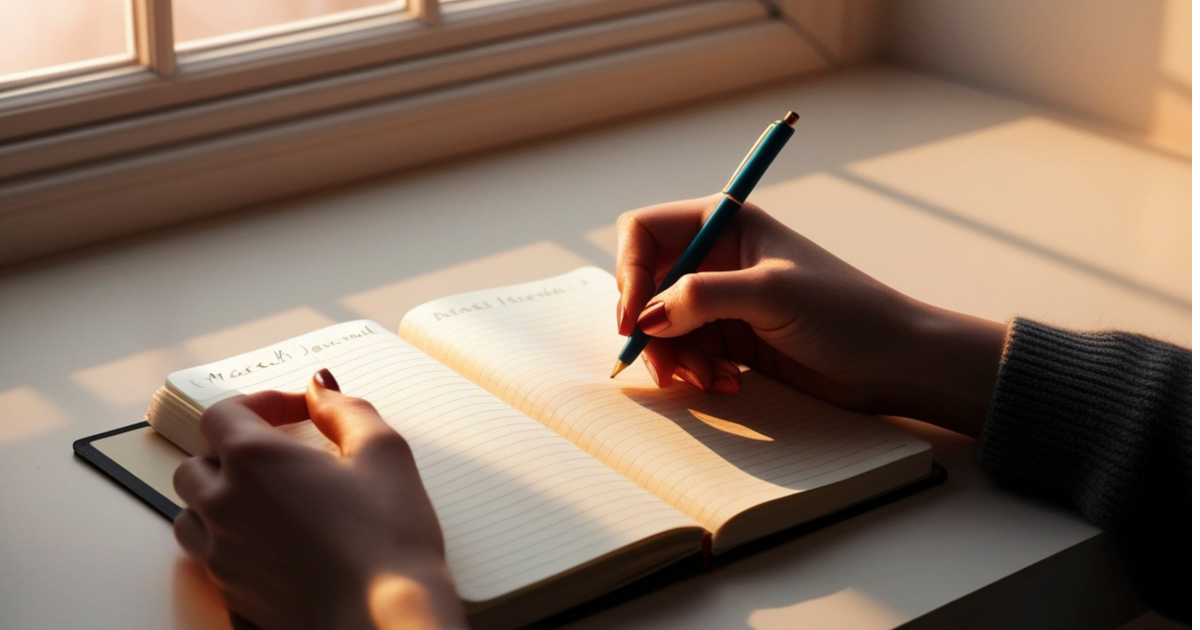
Healthy self-esteem is built through everyday choices, getting to know yourself and embracing your strengths. It’s being honest about your needs and setting boundaries that protect your peace. Focus on celebrating progress instead of waiting for perfection and ask for support when you need it. Most of all, remember your worth is not something you have to prove, earn, or fight for. It’s something you’ll begin to recognise when you stop abandoning yourself and embrace yourself with love.

Final thoughts about coming home to yourself
If you’ve spent years doubting yourself, dimming your light, or feeling disconnected from who you really are, please know this - you are not broken. You only need to remember that the parts of you that have been neglected or buried under fear, shame, doubt, disappointment, or pure survival, are all still there. They’re ready and waiting for your kindness and compassion, and it’s never too late.